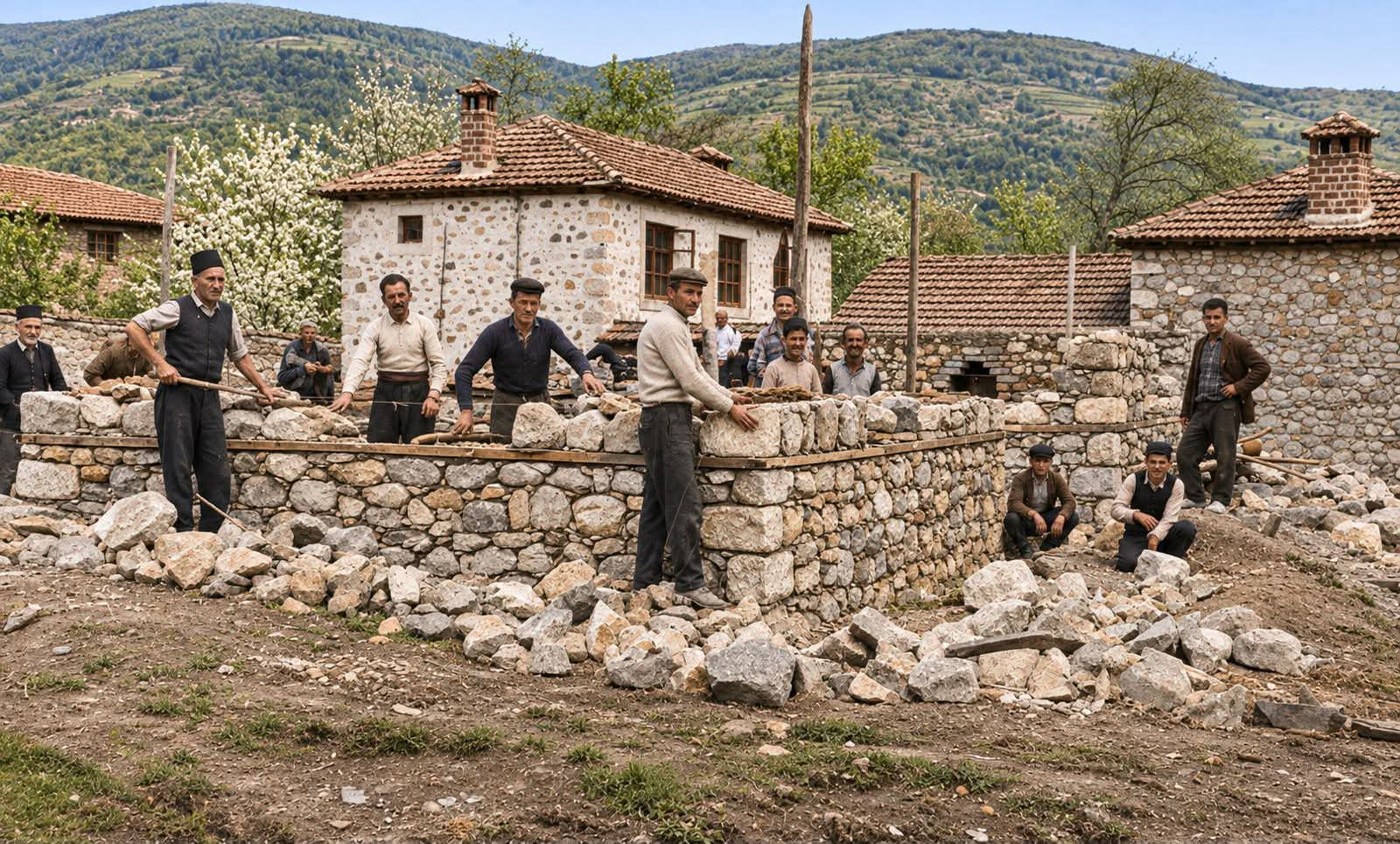
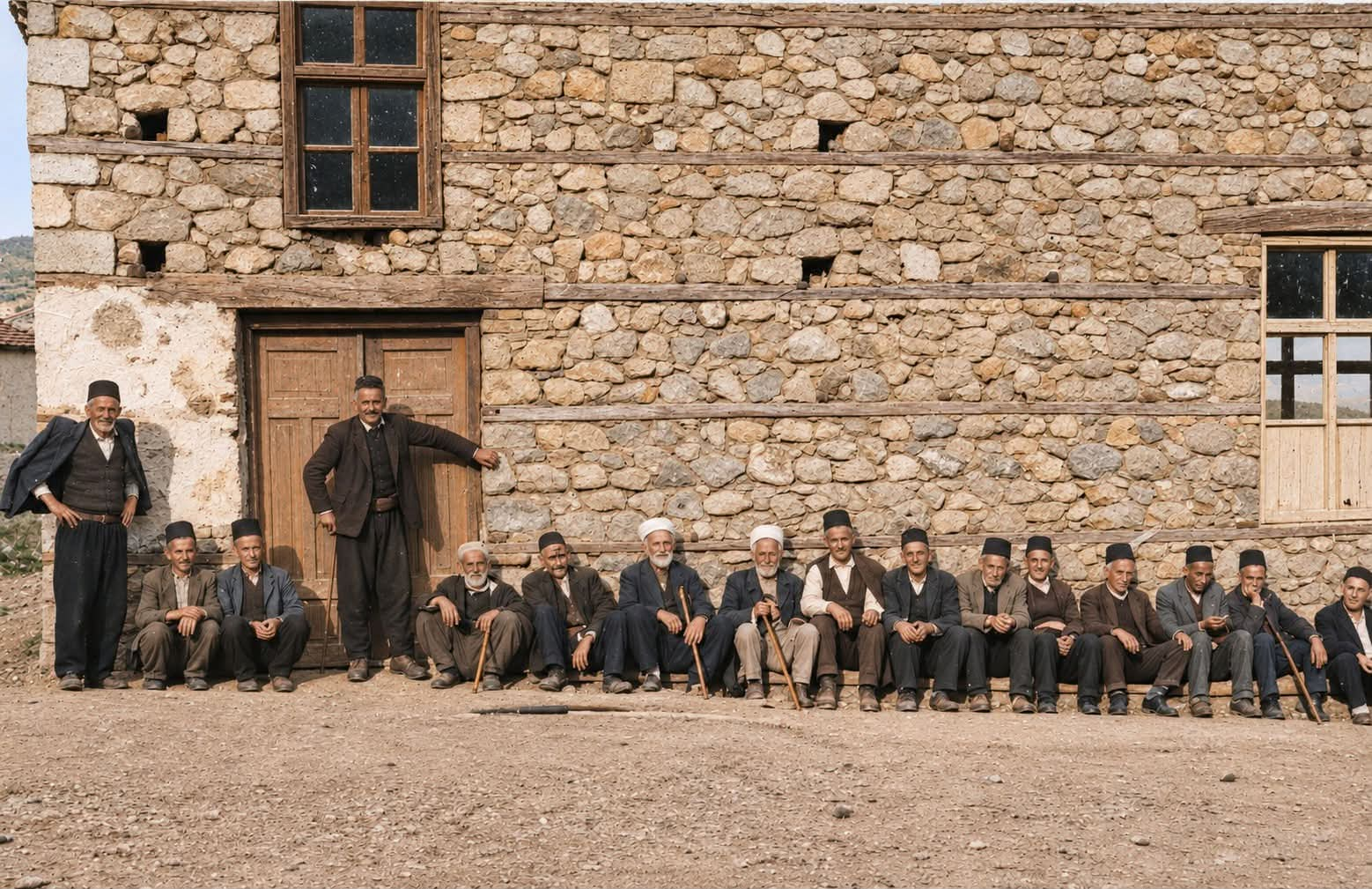
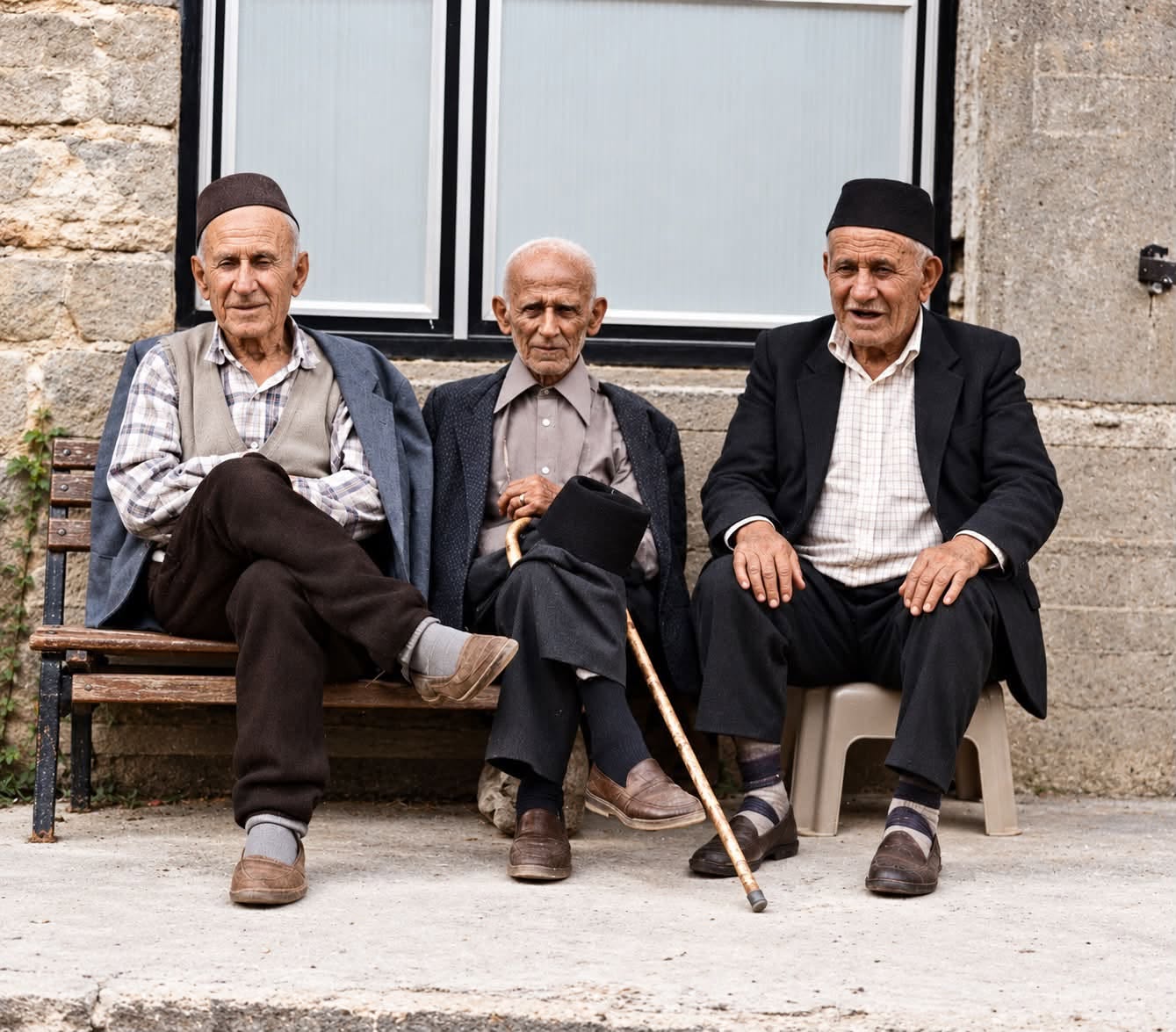
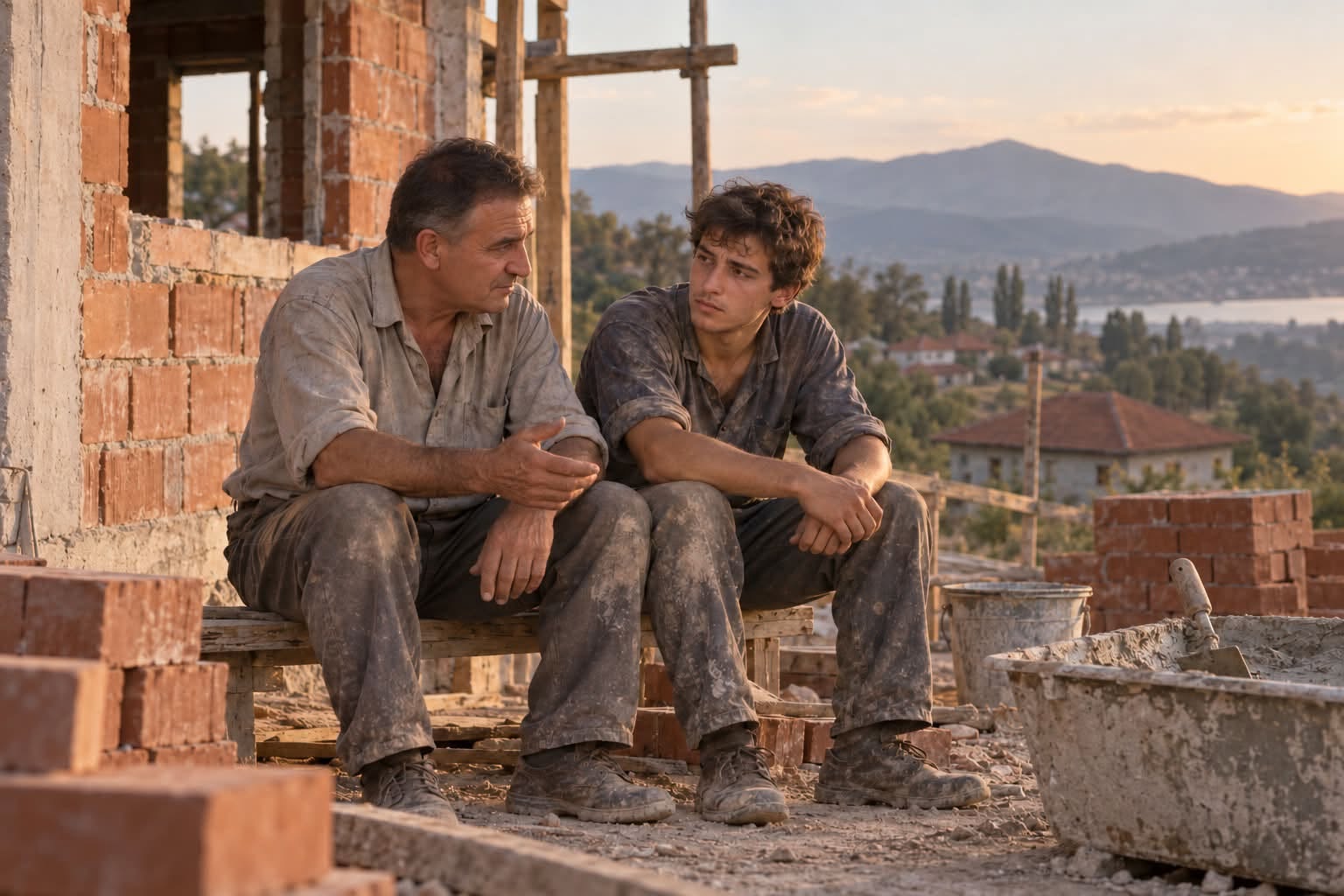
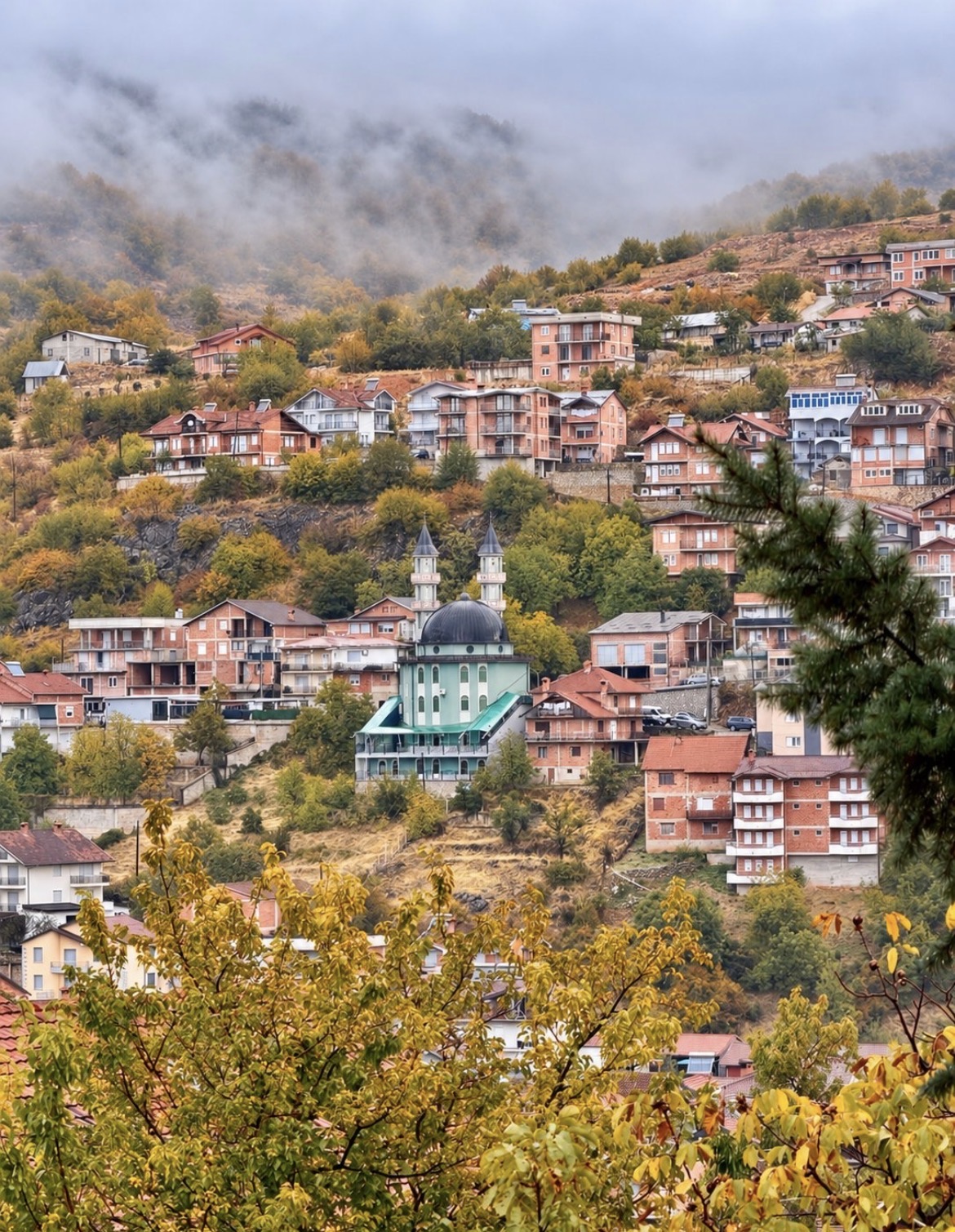
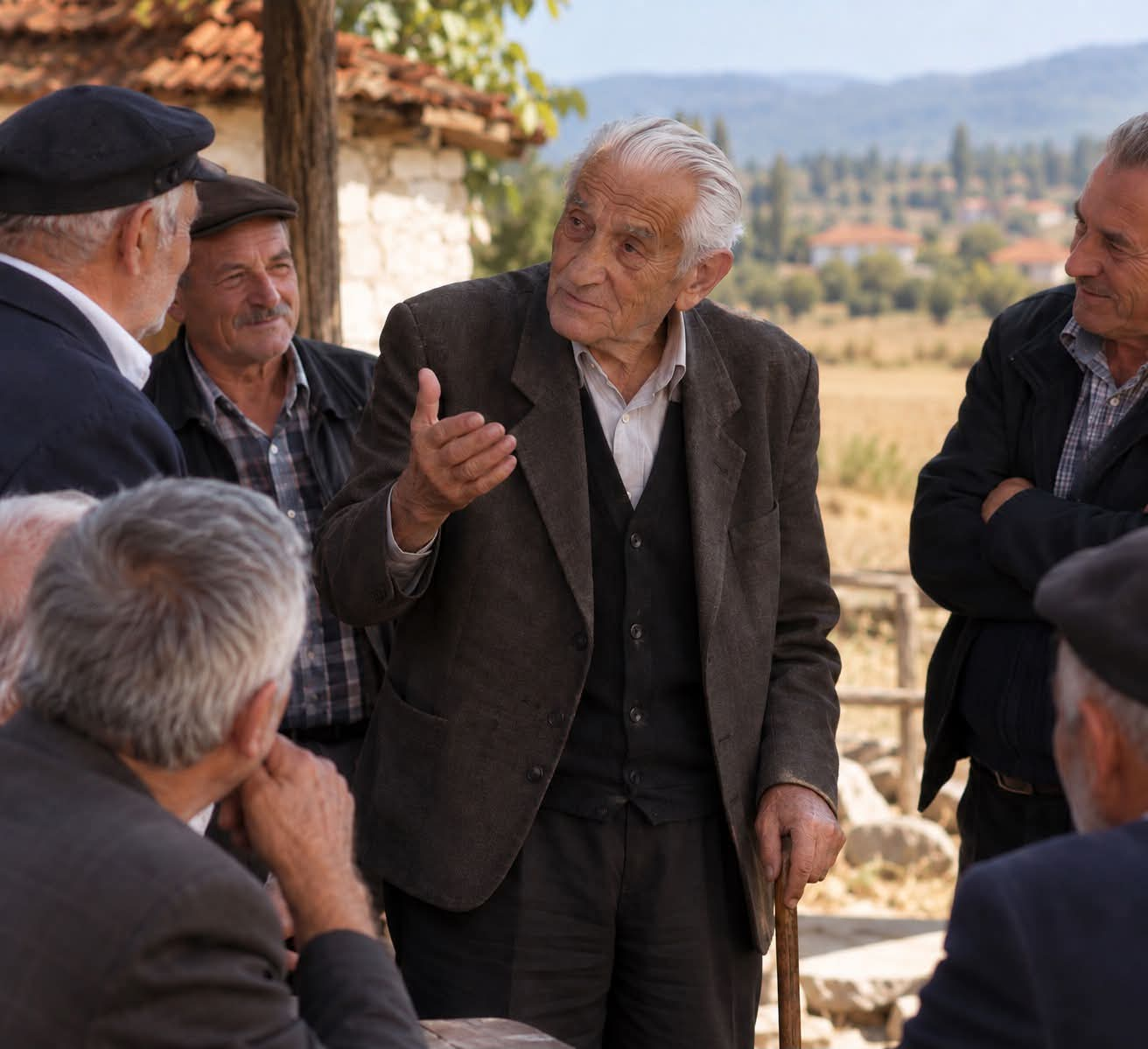
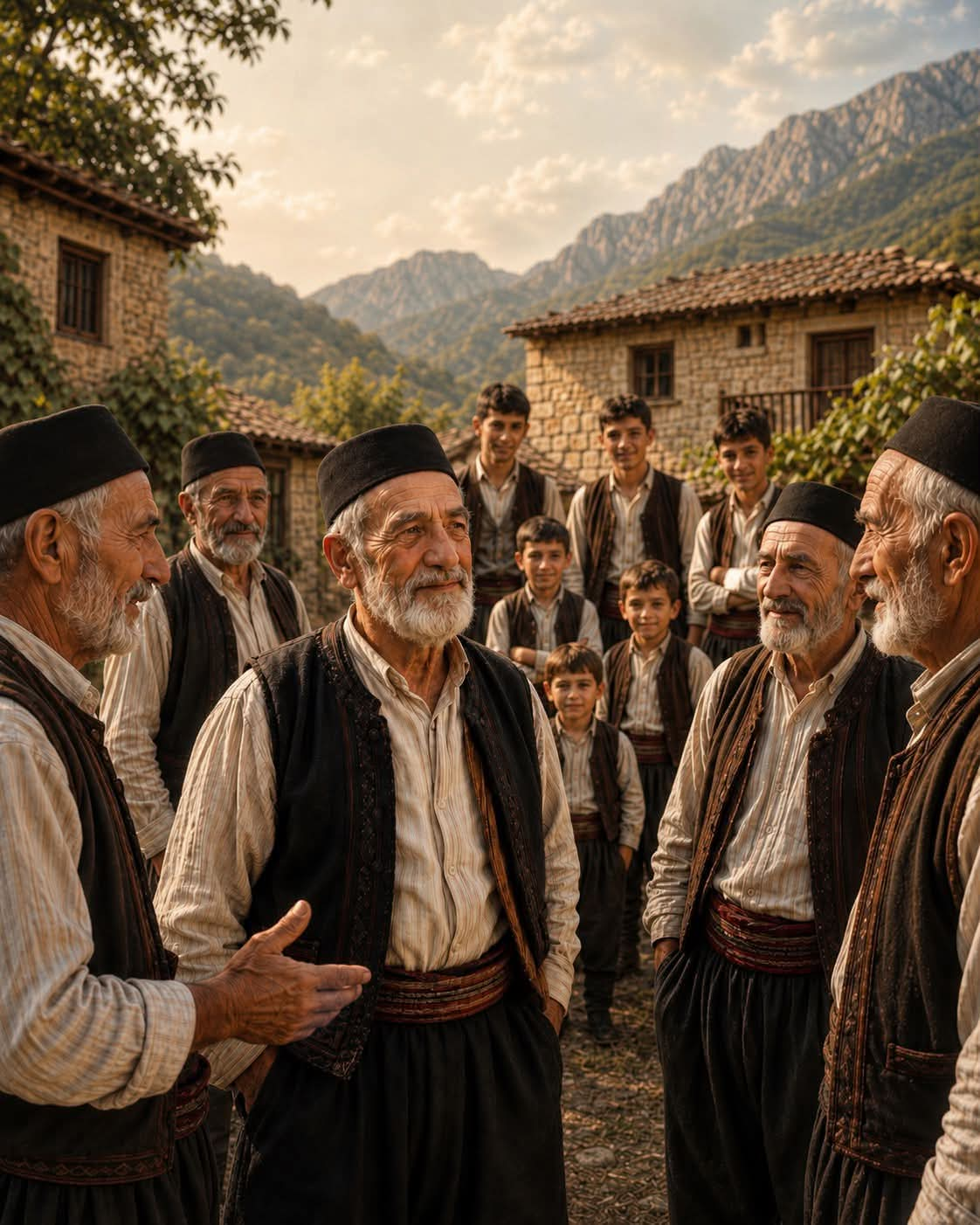
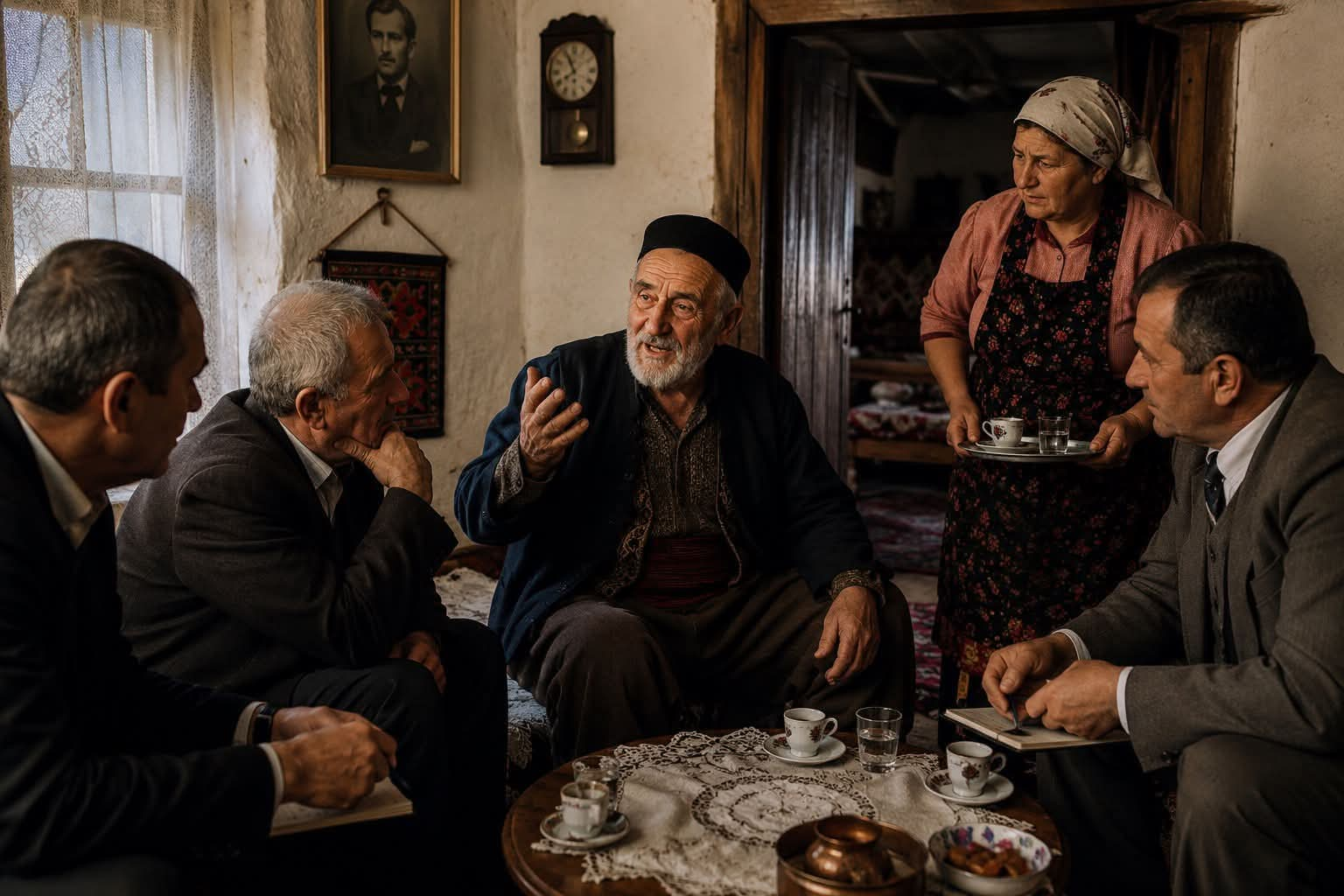
The old Labunishtani lived from their own labor. In the large families, the duties were divided already in the evening. The head of the house decided who would work the next day: someone to take care of the livestock, someone to bring wood, someone to go to the market. Some members were working away and contributed to the family's livelihood.
One of the greatest values of the wisdom of the old Labunishta people is its durability. Something once said in a short sentence, with just a few words, still sounds as if it was spoken yesterday and as if it applies exactly to us today.
How many of us have considered them close people, friends with whom we drank coffee and had ordinary, everyday conversations. They were approachable, knew how to listen and joke. But once they reached a responsible position, they began to act in ways that made us wonder whether they were the same people.
The old Labuništa people lived in large family communities. Under one roof gathered several generations, sharing bread and jointly bearing the household's cares.
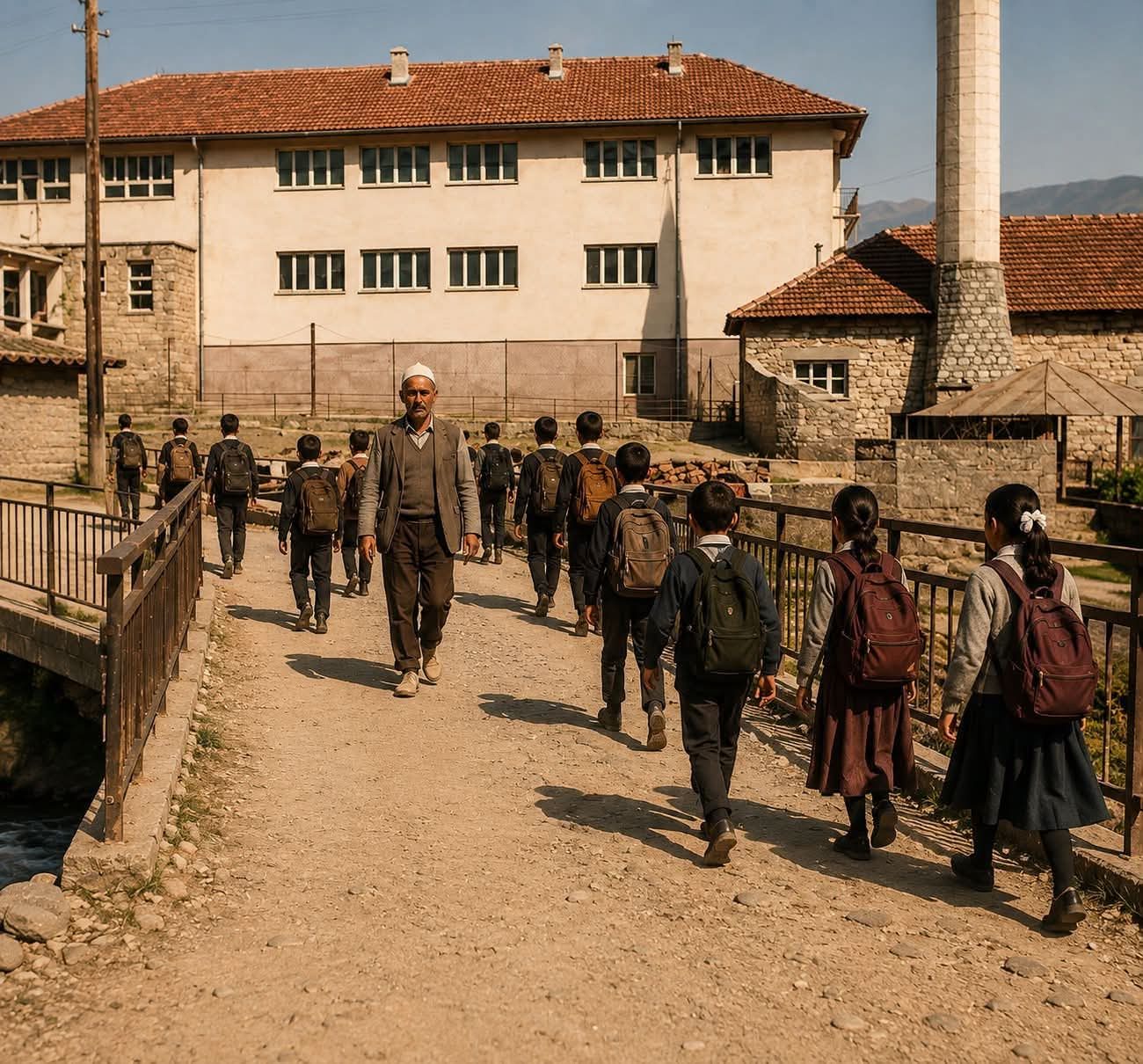
Although the old Labunishta residents often did not have the opportunity to attend school, they highly valued knowledge and education. Life directed them early towards work, and many towards earning a living. Therefore, they wished that their children would continue schooling and gain opportunities that they themselves had been denied.
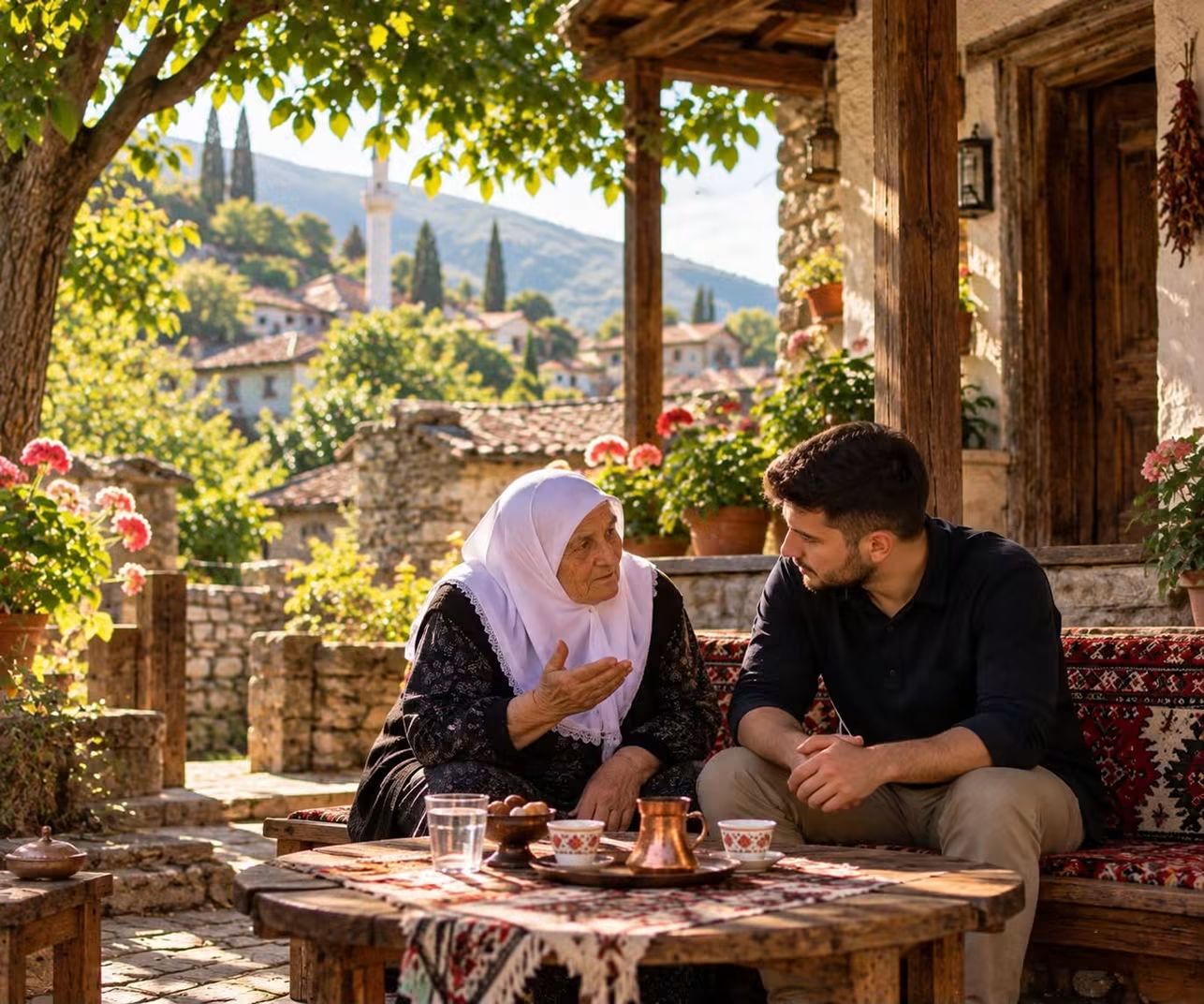
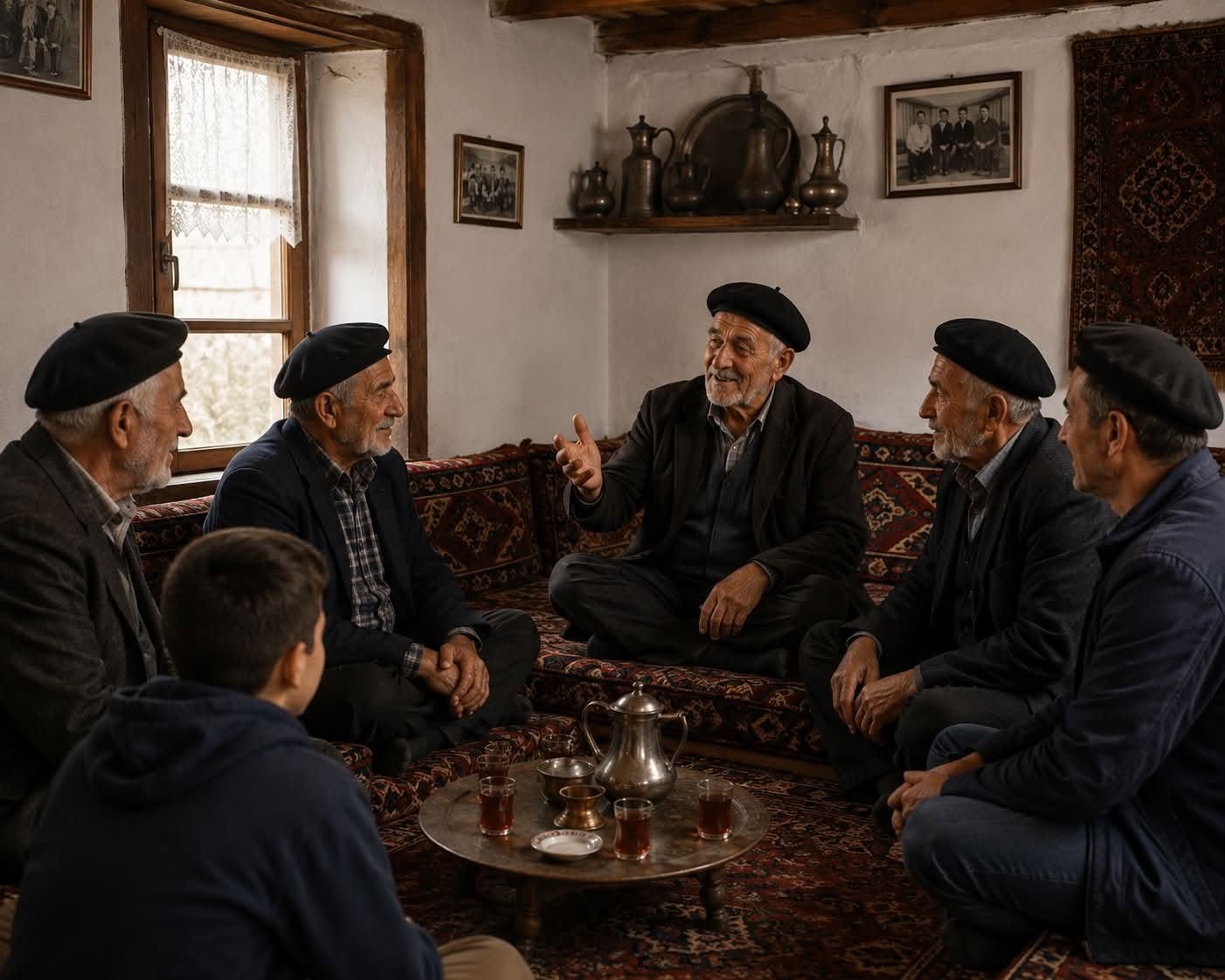
It is interesting that the word “muabet” originates from the Arabic word *mahabba* (محبة), meaning love, affection, and attachment. Through the Turkish language, where *muhabbet* signifies both love and pleasant conversation, this word has become part of our daily life.
From the series "Wisdom of the Old Labunishta People"
The old Labunishta residents generally endeavored to earn their living and feed their families in a lawful and honest way — what one might call earned through hard work. Special attention was given to the earnings being halal (rightful).
Every village has always had people whose main occupation seemed to be meddling in the lives of others. And when they had nothing to retell, they would invent stories, just to make sure their day didn't pass without someone else's name on their lips.
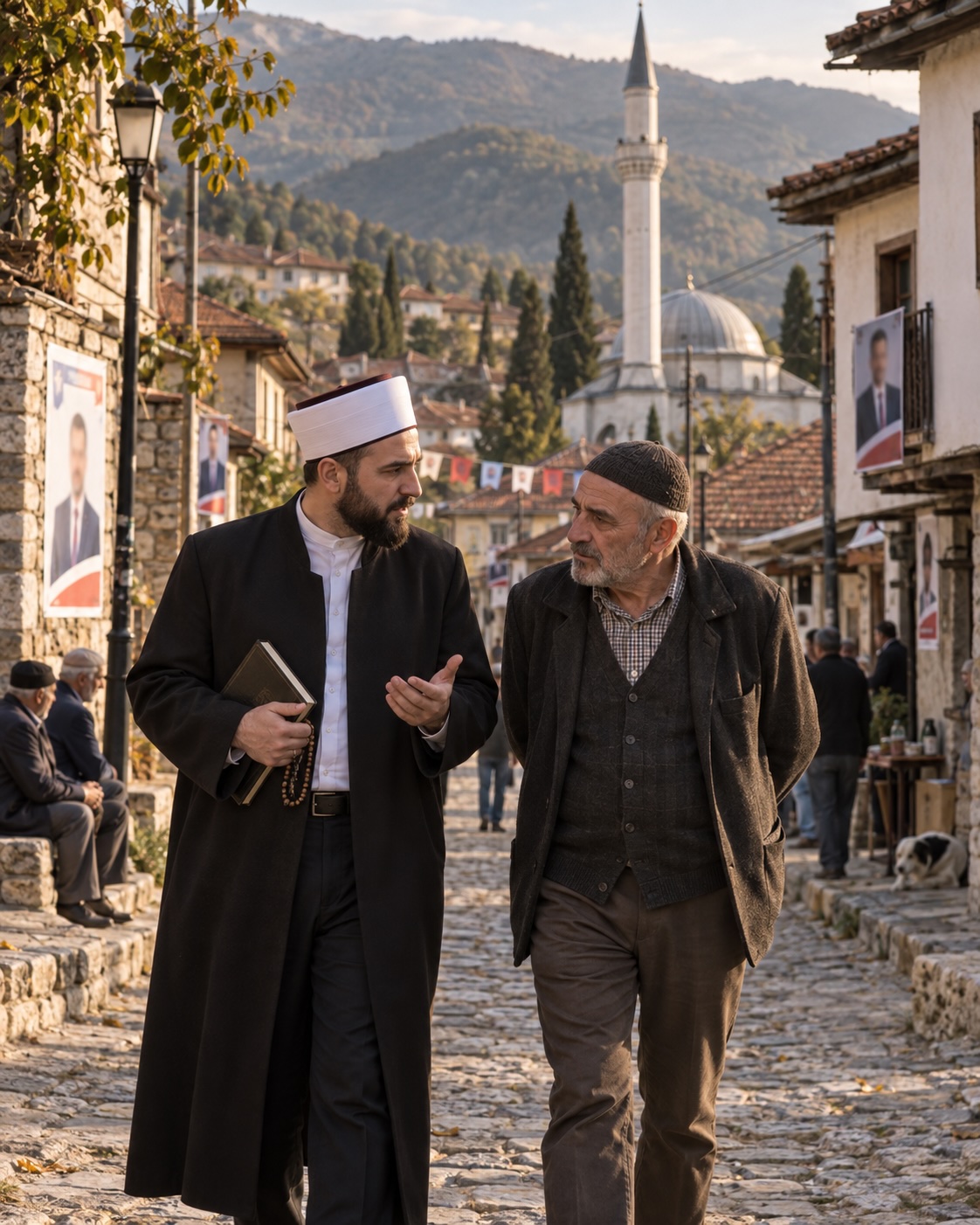
This saying is related to a newer generation of Labunishta inhabitants and the time when, with the introduction of the multiparty system, elections and election campaigns became part of daily life in our village.
It is easy to choose and decide when someone else bears the consequences of the choice.
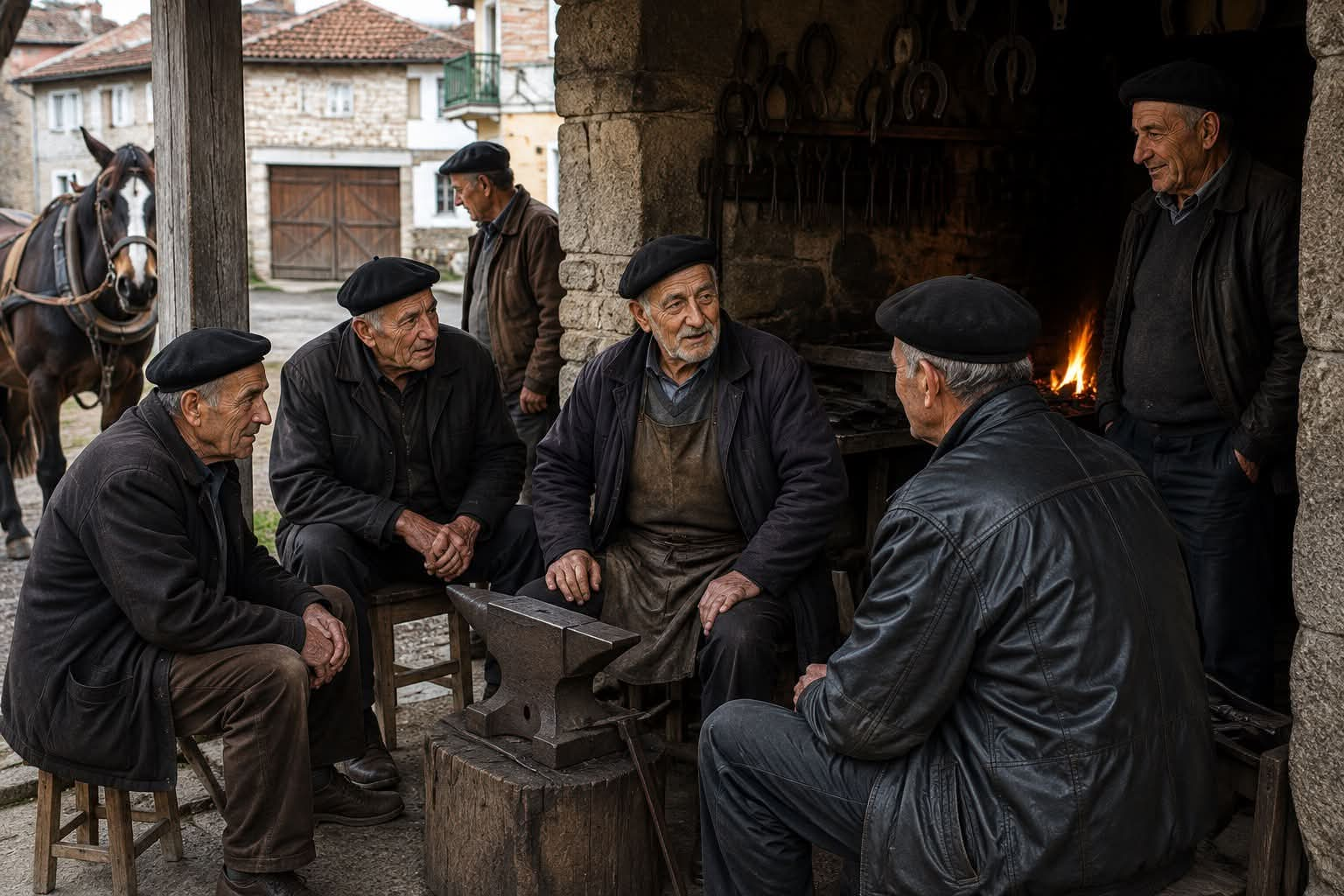
The old people of Labuništa, besides being known as good craftsmen, were also famous for their trades. The craft workshops were not only places where work and earnings took place. They were often meeting places for conversation and socializing.
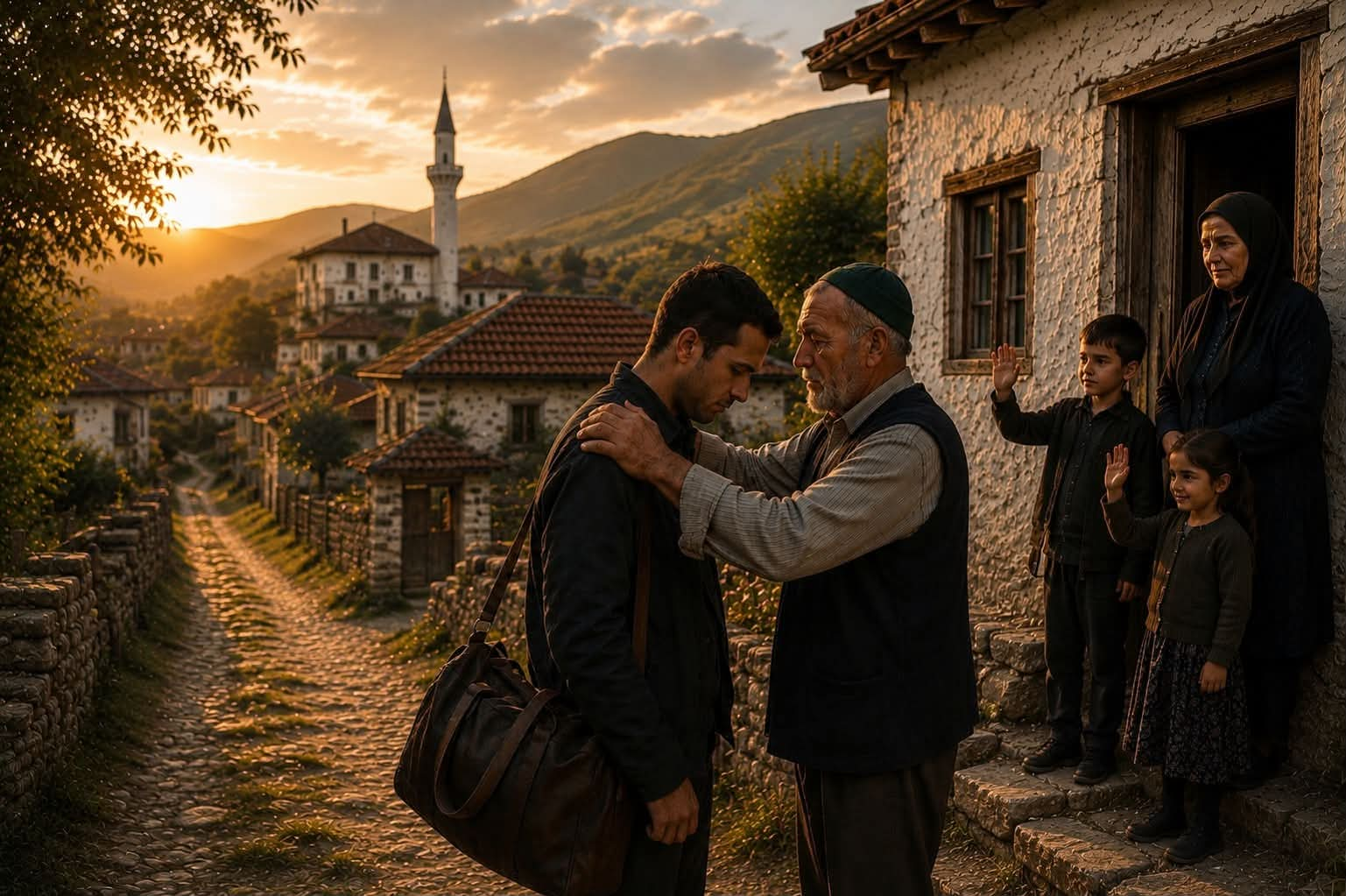
The tradition of seasonal workers among the old inhabitants of Labunishta has deep and distant roots. From times remembered and recounted, among the people of Labunishta, there were those who left far from their homes and families in search of work and a better existence.
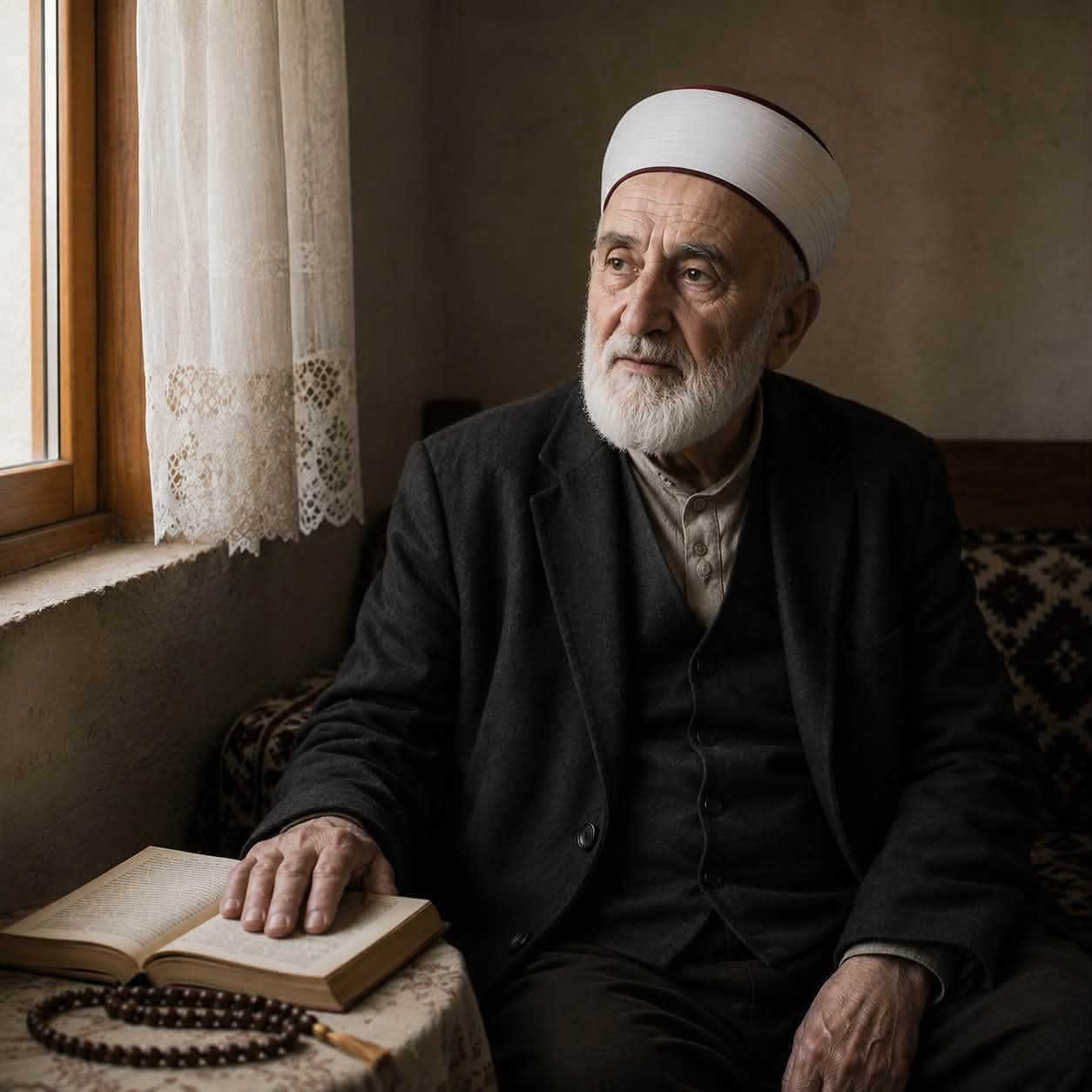
When I die, I do not want you to hold grand ceremonies around me, nor to recite Yasin and hatmi excessively. I only want to leave you one testament...
When it is heard that someone has fallen ill, especially if it is a serious illness, few remain indifferent. Relatives, friends, neighbors, and acquaintances go to visit and wish a speedy recovery.
When it came to building a road, school, mosque, church, fountain, bridge, or some other charity, people would unite and, each according to their means, participate in the joint effort.
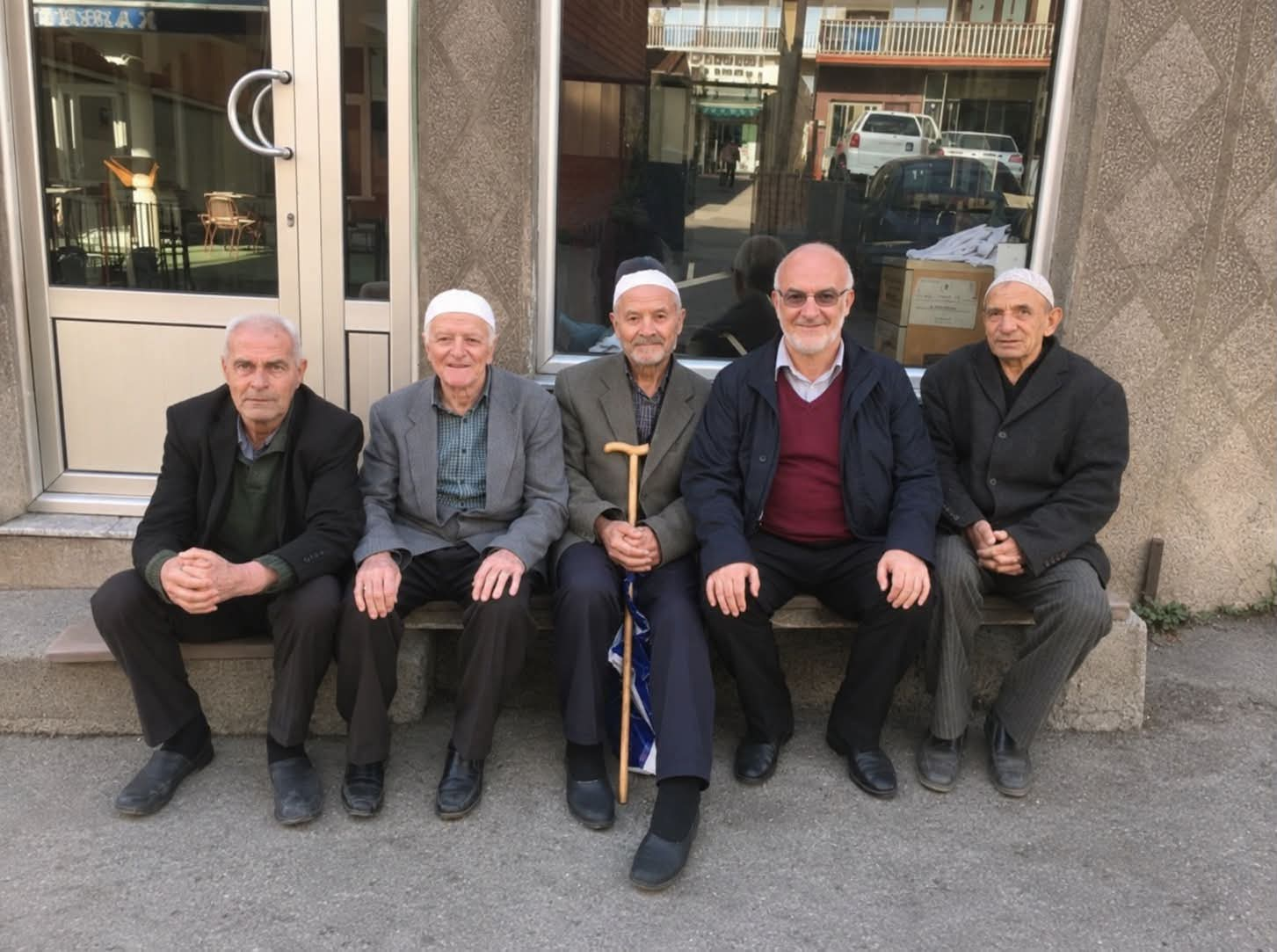
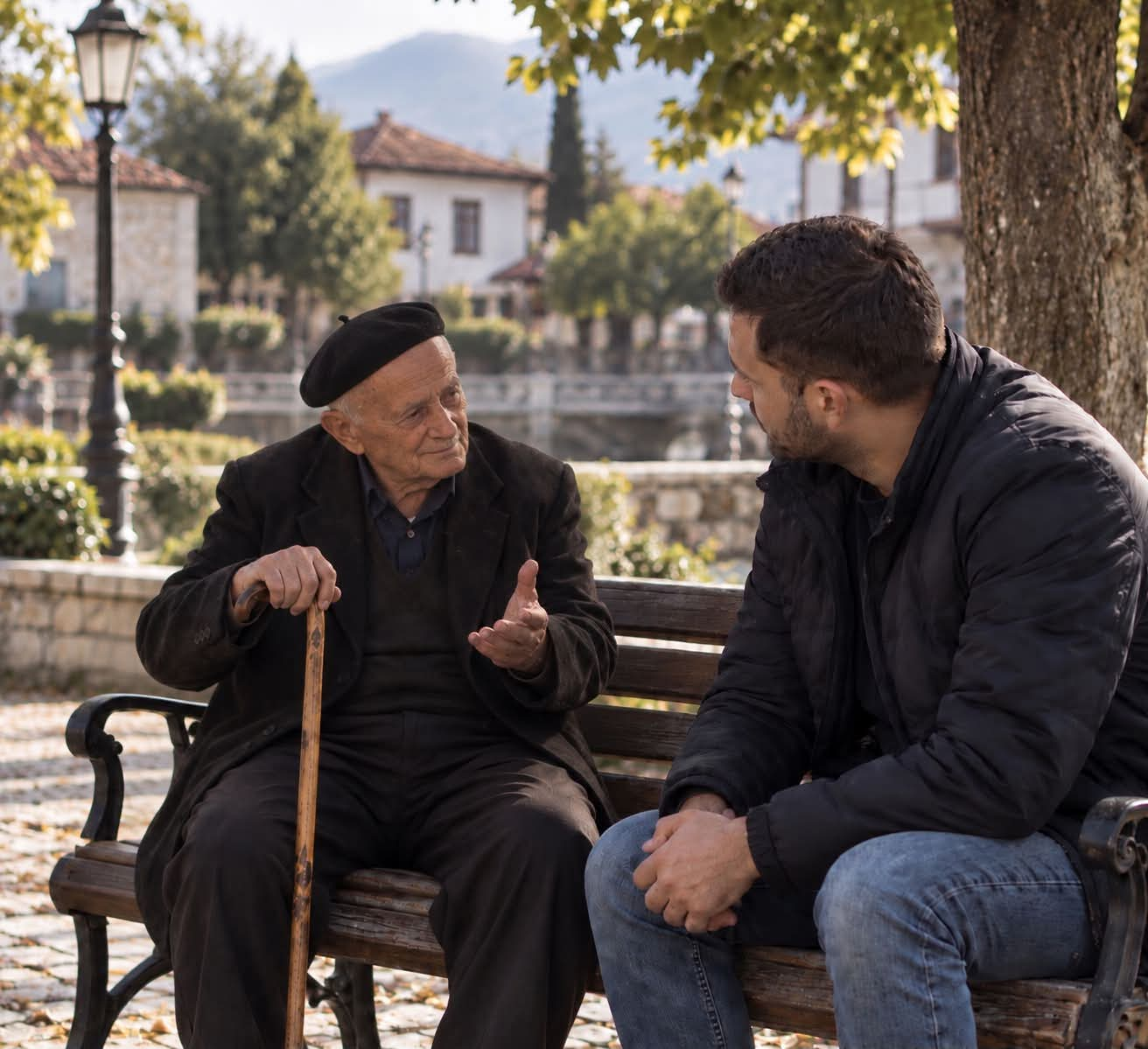
The old Labunista villagers didn't have access to higher education. Life directed them early towards work instead of school benches. But among them were people with natural intelligence, clear minds, and life wisdom from whom much could be learned.
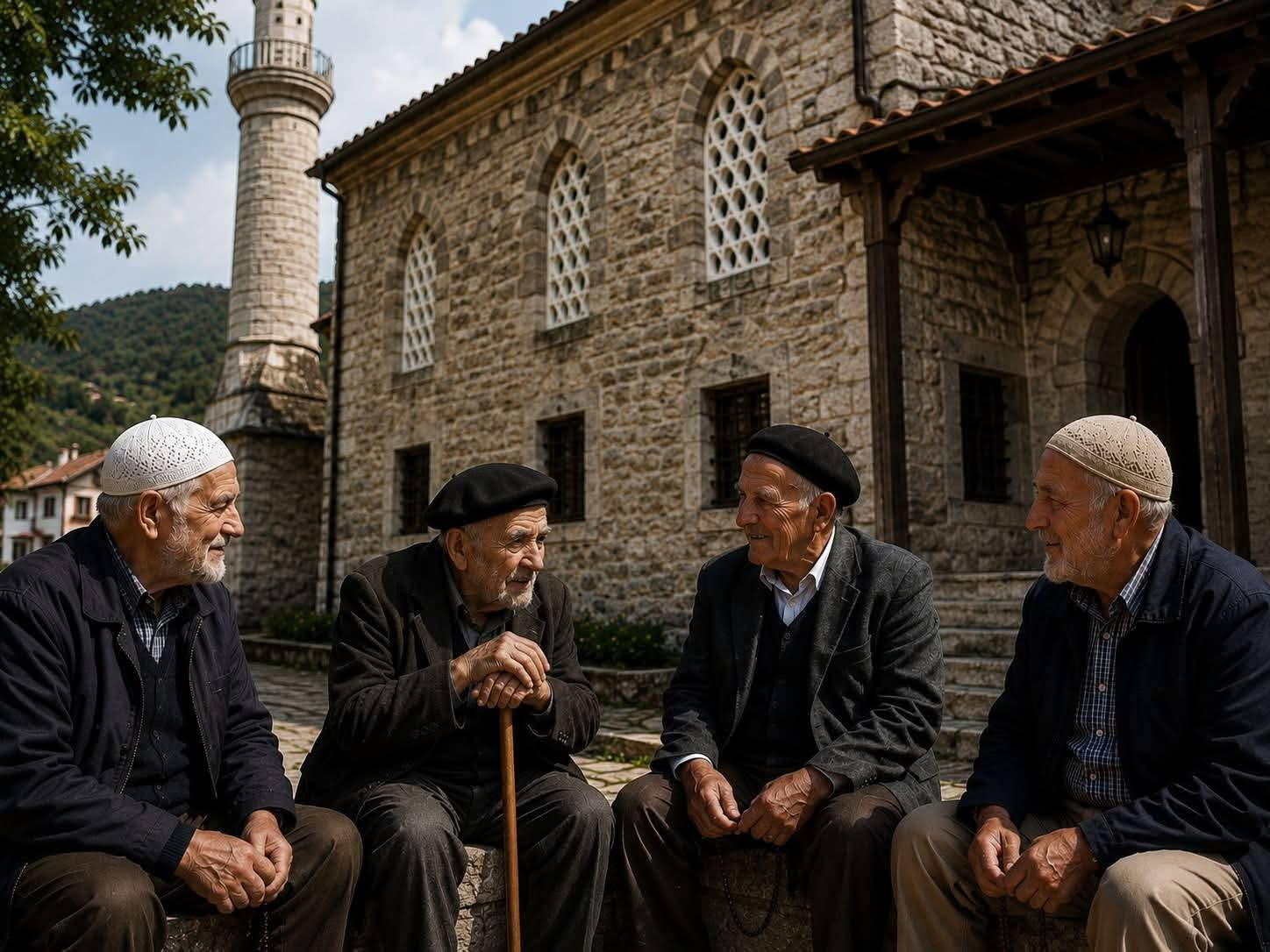
The old residents of Labunishta did not easily or hastily judge someone they did not know well, nor did they form their opinion about others based on others' words and retellings. They knew that every story told is not the complete truth and that a person is best known through personal relationship and direct experience.
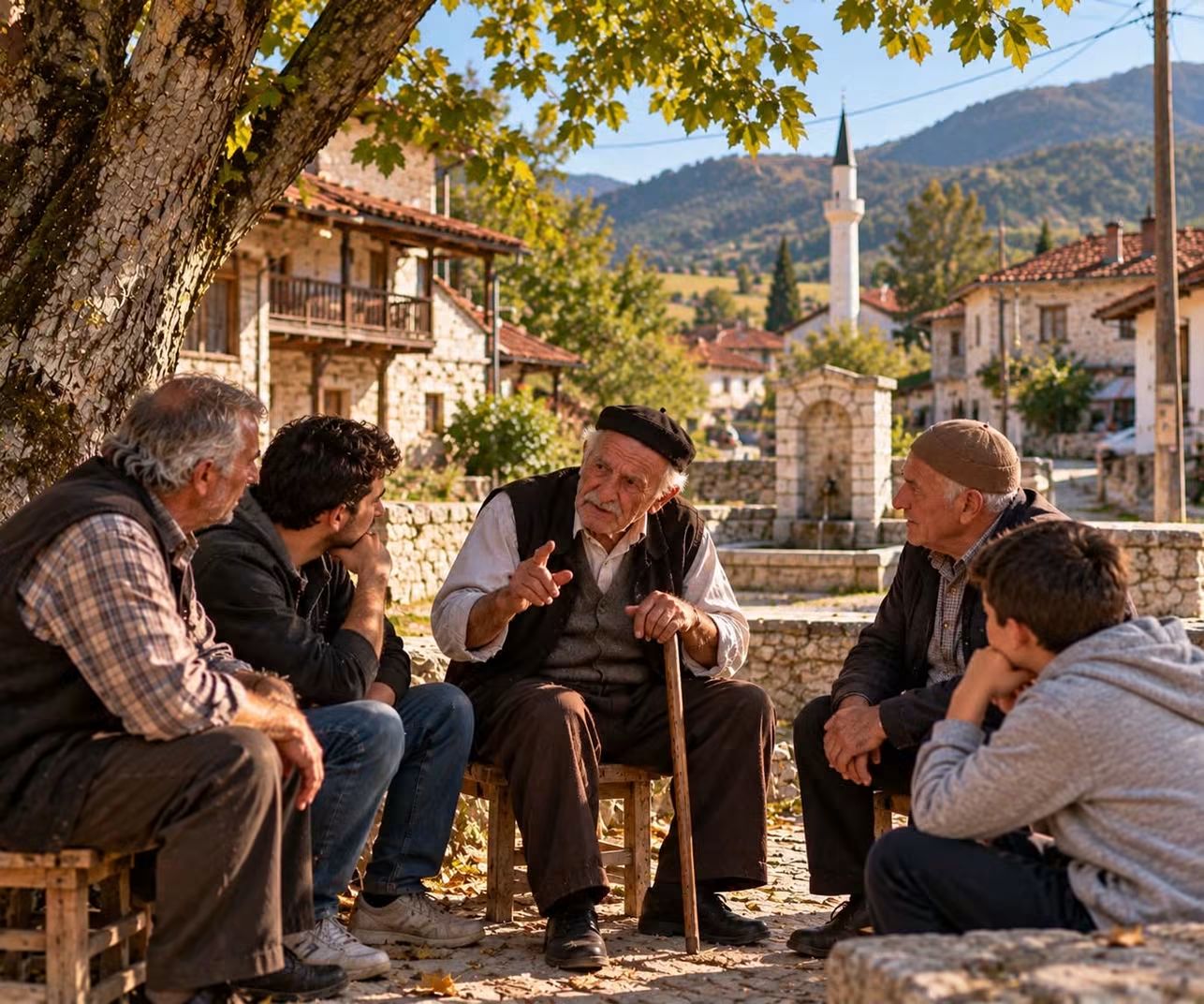
The old Labunishtani knew how to say more with a short and witty sentence than sometimes whole pages can explain. Their sayings were born from life experience, everyday hardships, and careful observation of people. Behind the joke often hid a serious truth, and behind simple words — a deep life lesson.
The elderly people of Labunishta were skilled at expressing great truths through humor and wit. Therefore, this saying about Adžo Jašar has lived on among the people as a symbolic message that when support is absent where we expect it most, even the best intentions and greatest efforts struggle to succeed.
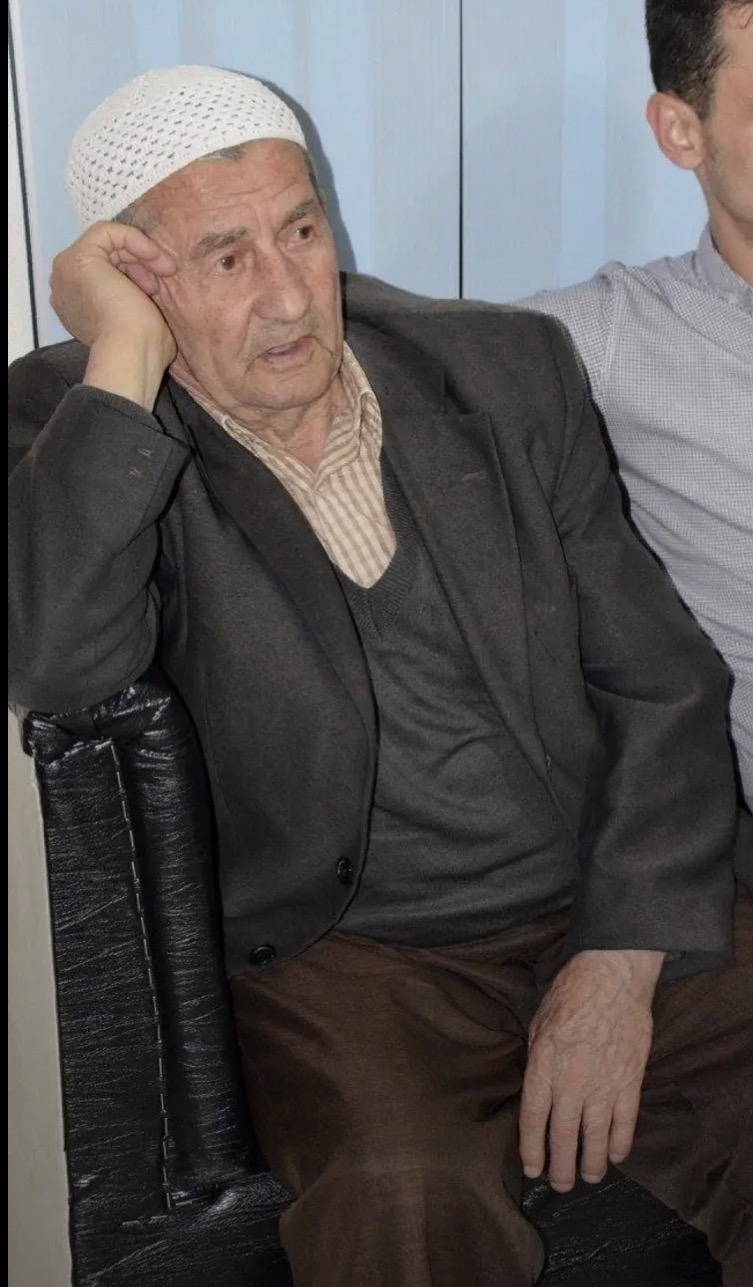
Muhammed Husrev (Aydinlar) was born in the village of Labunista near Struga, pre...
With deep sorrow, we announce the passing of Dr. Minur Memishoski, a respected d...
House for sale in Labuništa, Krasta area, with property deed! House area of 540 ...
During an outing in the Labuniska Bachila area, local resident Ersan Zendeloski ...
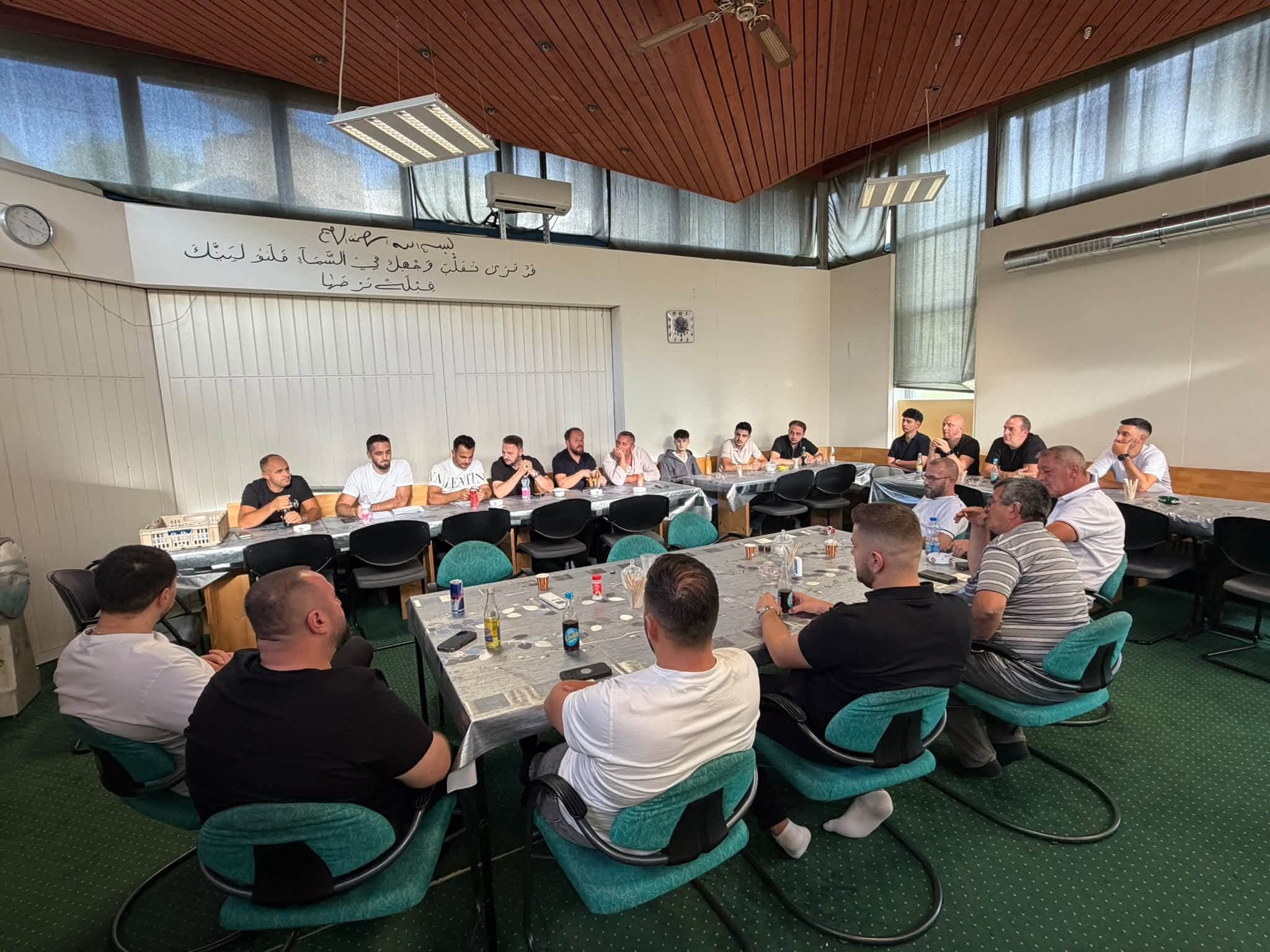
The main topic of the meeting was two serious issues that, according to attendee...
A great success for Labunista and the young talents from our region. Ejlem Bekir...
The old Labunishtani lived from their own labor. In the large families, the duti...
OOU „Murat Labunishti“ - Labunishta announces a call for participant selection w...
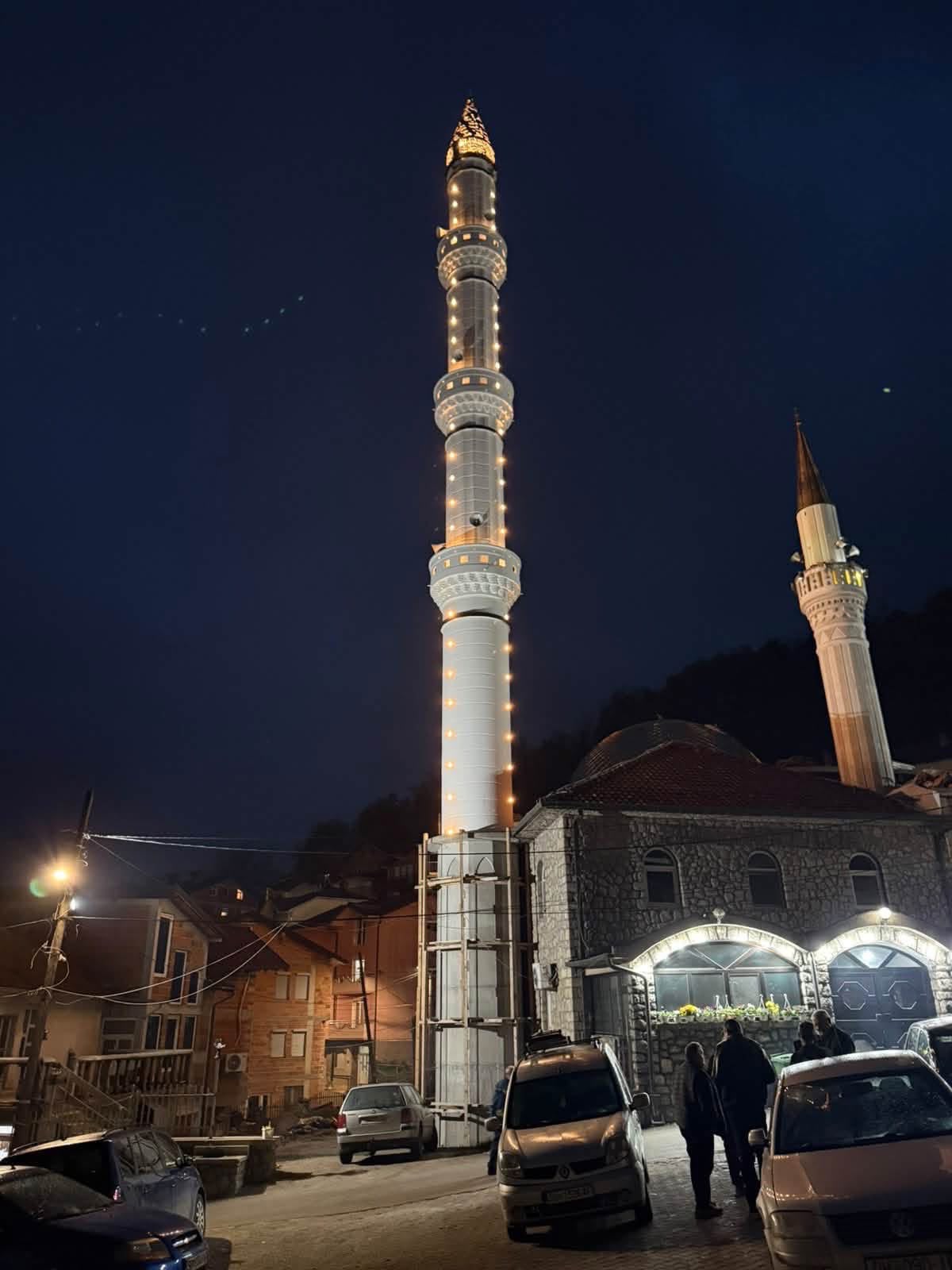
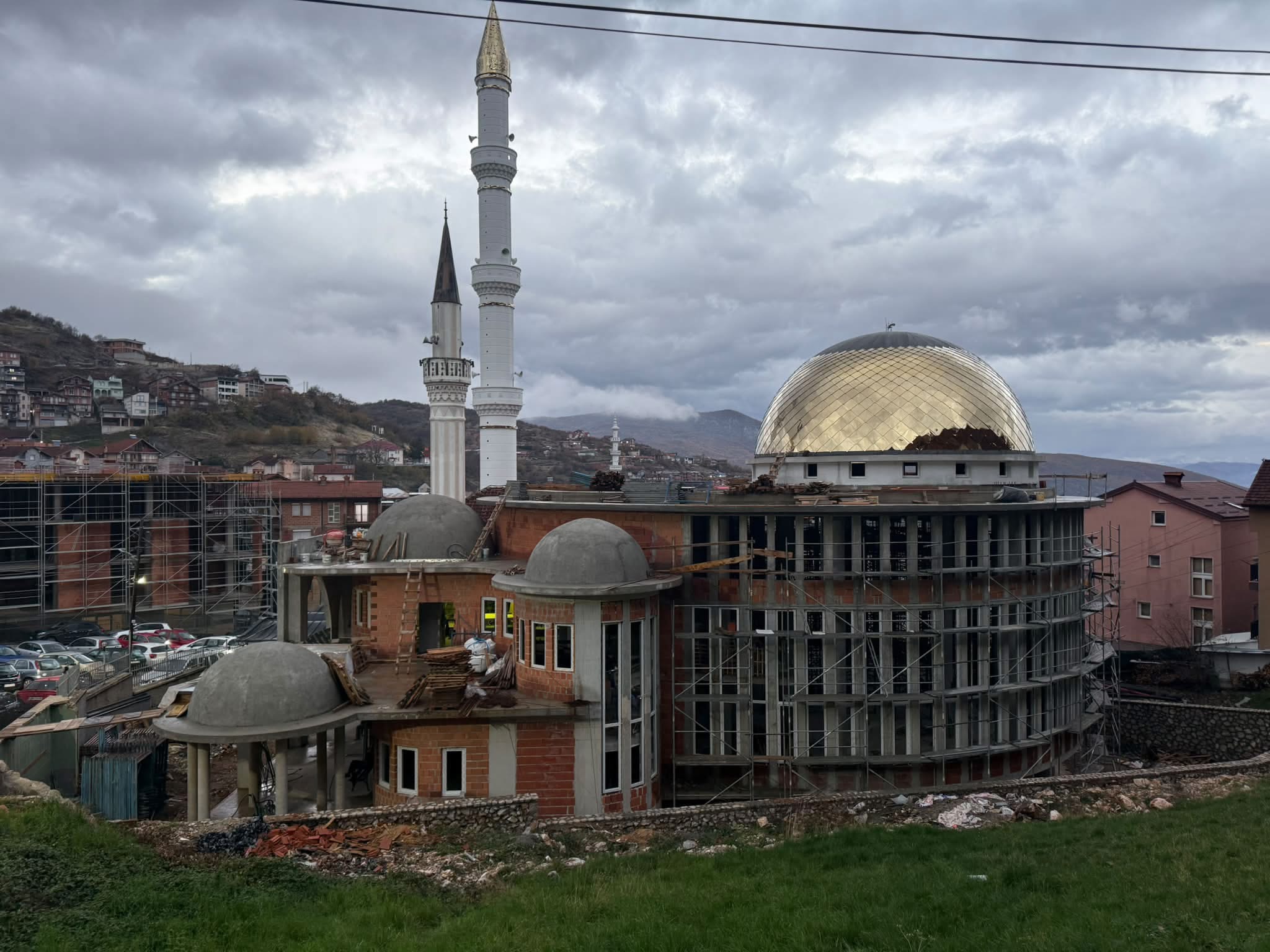
The tall minaret, illuminated from all sides, attracts glances from different pa...
The approved project represents an important step towards solving the long-stand...
Today, the installation of PVC windows and doors of the mosque is underway, cont...
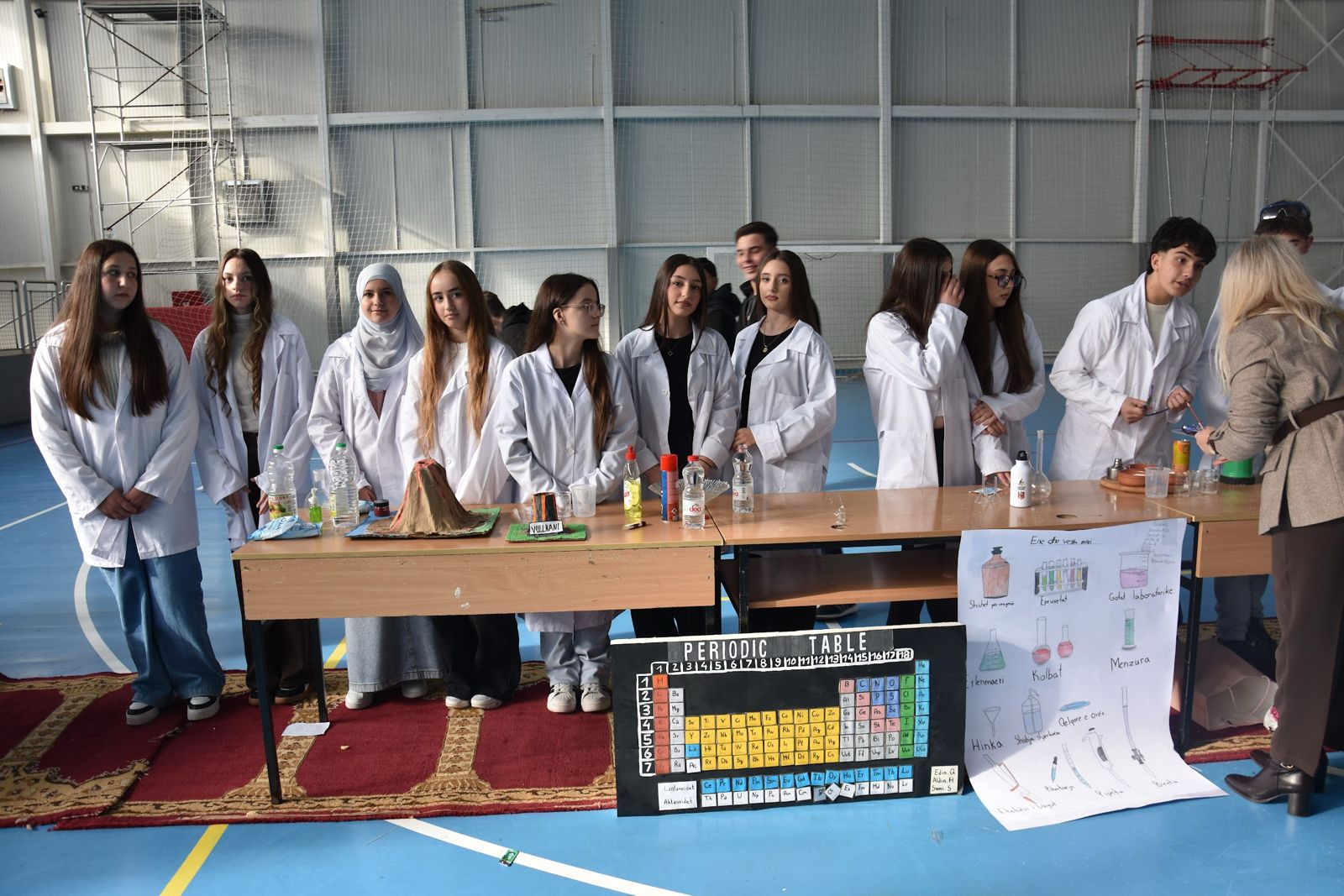
Today, November 13, Science Day was held in the sports hall of "Murat Labunishti...
For the children of FK Labuništa Junior, this was their first experience on the ...